 +44 1670 811584
 +1 304-253-0777
Industrial odour control often comes down to two approaches: masking the smell or odour elimination. On the surface, they might seem similar. In practice, the difference is significant, and it is often the reason why odour control is not working on many sites.
Understanding this difference helps explain why some facilities achieve consistent results, while others remain stuck in a cycle of complaints and temporary fixes.
The Problem with Masking
Masking works by covering unpleasant odours with a stronger, more pleasant fragrance. It sounds like a simple solution, but it rarely solves the actual problem.
To compete with industrial odours like hydrogen sulphide or ammonia, fragrances need to be very strong. The result is something many operators describe as “flowery sewage.”
The original odour is still there. It is just hidden for a short time. Complaints may reduce initially, but they often return because the source of the odour has not been addressed.
Regulators are also becoming more aware of this. Many now expect odour elimination, not just a change in how the air smells. If your approach relies on fragrance, it is likely masking rather than solving the issue.
What Odour Elimination Actually Means
Odour elimination works differently. Instead of covering odours, it removes them by changing the molecules that cause the smell.
In simple terms, effective elimination involves three steps:
- Odour molecules come into contact with neutralising droplets
- They are captured and held in place
- Their structure is changed so they no longer produce odour
Once this transformation happens, the smell does not come back. This is the key difference in odour masking vs elimination. One hides the problem, the other removes it.
Why This Matters in Practice
If your current system needs constant reapplication, or complaints keep coming back, it is a strong sign that odour control is not working as it should.
Masking and temporary containment can create the illusion of control, but they do not provide long-term results. This leads to ongoing operational effort, increased costs, and continued regulatory pressure.
Odour elimination, on the other hand, delivers more consistent outcomes. Sites that adopt true odour elimination typically see fewer complaints, improved compliance, and less time spent managing odour issues.
It Is Not Just About Chemistry
Even with effective odour elimination, application still matters. Treating odours at source, before they disperse, is essential. Once odours spread across a site, they become much harder to control.
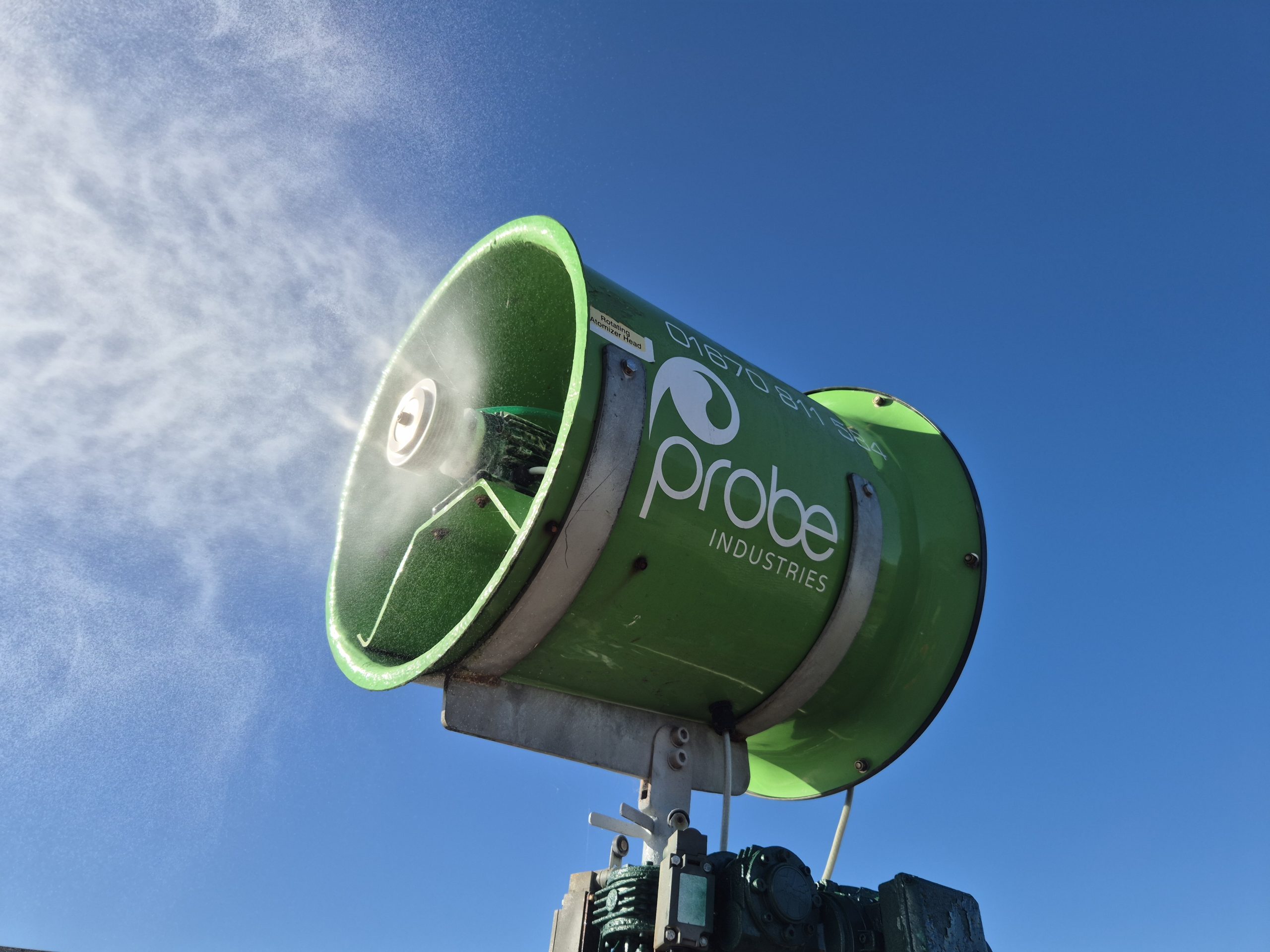
The delivery method also plays a role. Systems need to create droplets that stay airborne long enough to interact with odours effectively. Without this, even the best odour elimination chemistry can underperform.
Taking a Step Back
If you are dealing with ongoing odour challenges, it is worth pausing and looking at your current approach.
Is the smell actually gone, or just different?
Are results consistent, or do problems return quickly?
Are you solving the issue at source, or reacting after it spreads?
These are often simple observations, but they reveal a lot. In many cases, they highlight the difference between short-term masking and true odour elimination.
Conclusion
When it comes to odour masking vs elimination, the difference is not just technical. It determines whether your odour control strategy works long term.
Masking can offer short-term improvement, but it often leads to ongoing issues. Odour elimination focuses on removing the problem at its source, giving more reliable and sustainable results.
If odour control is not working on your site, the first step is understanding whether you are truly achieving odour elimination. From there, it becomes much easier to make informed decisions that lead to lasting improvement.