 +44 1670 811584
 +1 304-253-0777

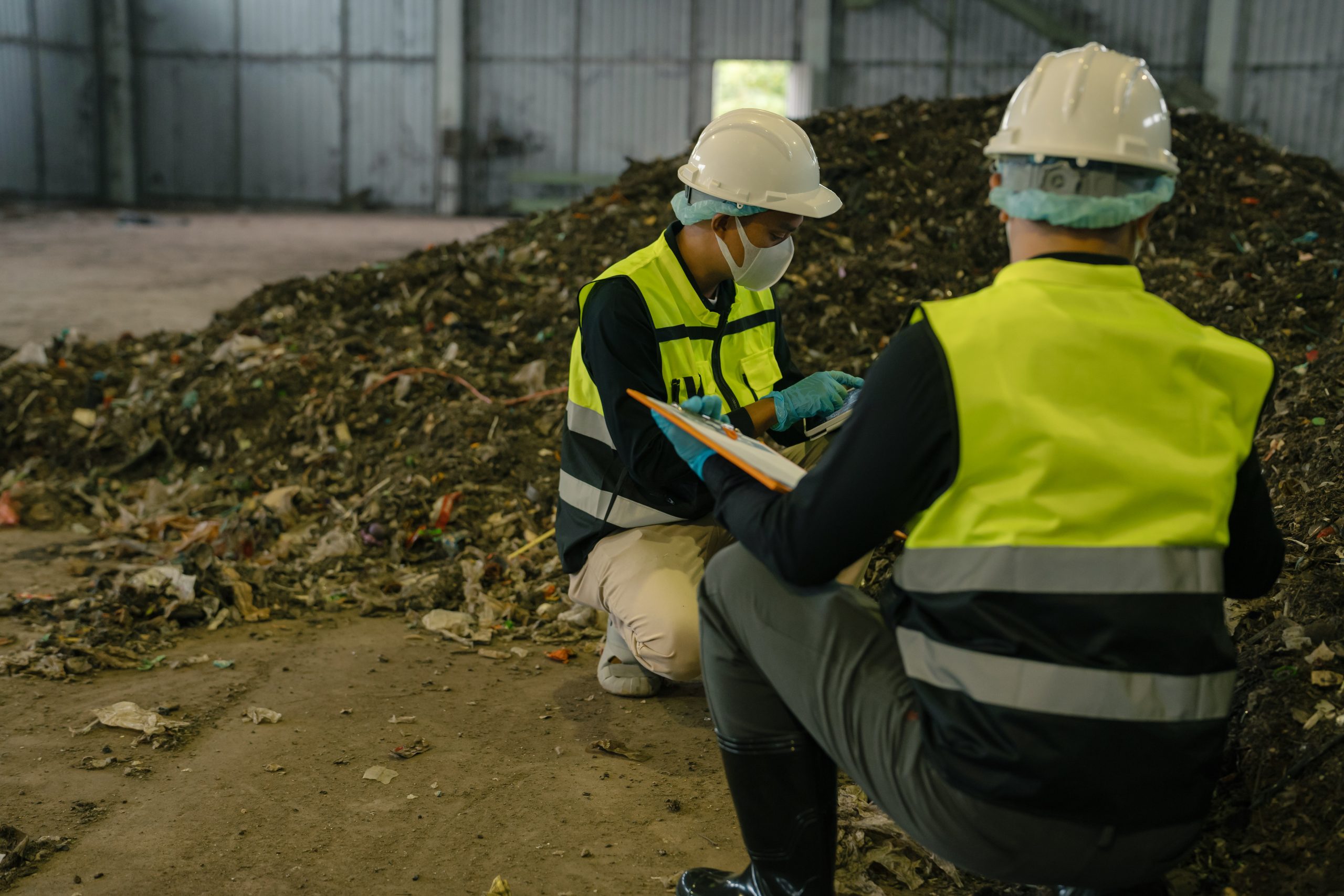
Insights from Victoria Taylor’s webinar on waste odour and dust management: air quality best practice on waste sites
Regulation around waste odour and dust management has moved on. In her webinar, our CEO, Victoria Taylor, walked through what has changed and what it means for the way sites plan, operate and prove their controls.
The short version: regulators want to see plans that are site-specific, practical and auditable.
The legal framework for waste odour and dust management
Air quality obligations on permitted waste sites sit within the Environmental Permitting Regulations 2016, your environmental permit conditions, and the expectation to apply best available techniques (BAT) or appropriate measures. On top of that framework, 2025 brought updates to both odour and dust.
Odour: new guidance from December 2025
The Environment Agency (EA) has issued new odour guidance for permits. The main shift is a much greater emphasis on a site’s own circumstances. The guidance puts more weight on site-specific risk and appropriate measures, backed up by monitoring, trigger points and contingency actions within a practical odour management plan (OMP).
In practice, that means two sites handling the same waste can need very different controls. A site with homes close to its boundary, for example, may need to restrict high-risk outdoor activity when the wind is blowing towards them, while a site surrounded by industrial units may not. The plan should reflect your site, not a template.
Dust: a change to the management plan trigger
There has also been a dust update. The trigger for a dust emissions management plan (DEMP) based on distance to a PM10 air quality management area (AQMA) is now 1,000m. The sensitive receptor trigger remains 500m.
Permit reality: what the regulator is really asking
Most permit conditions are objective-based, so the regulator is effectively asking three questions.
- Did you prevent pollution?
- Did you minimise it using appropriate measures?
- And if it wasn’t practicable to prevent it, could you reasonably have done more?
Waste odour and dust management: what a good plan looks like
The webinar offered a simple test for any OMP or DEMP: would your supervisor know what to do?
A good plan answers six questions for your team:
- What can go wrong?
- How will we know?
- What action do we take?
- Who is responsible?
- When do we escalate?
- What evidence do we keep?
Victoria also stressed trigger points and actions, so a good plan tells people exactly what to do. For example:
- Wind towards receptor: reduce high-risk outdoor activity
- Visible dust: stop, dampen, investigate
- Odour at boundary: identify the source and increase control
- Door left open: close it, repair it, escalate
- Abatement fault: prepare back-ups and contingency plans
- Complaint: check weather, activity, controls and records
Key takeaways for waste odour and dust management
- The EA’s December 2025 odour guidance puts more emphasis on site-specific risk, monitoring, trigger points and contingency actions.
- The DEMP trigger for a PM10 AQMA is now 1,000m. The sensitive receptor trigger stays at 500m.
- Plans must be site-specific, practical and auditable.
- Compliance is not the document. Compliance is what happens on site every day.
Frequently asked questions (FAQs)
Q: What legal framework applies to odour and dust on permitted waste sites?
A: Air quality obligations sit within the Environmental Permitting Regulations 2016, your environmental permit conditions, and the expectation to apply best available techniques (BAT) or appropriate measures.
Q: What has changed in the Environment Agency’s odour guidance?
A: The EA’s new odour guidance for permits, issued in December 2025, puts much greater emphasis on a site’s own circumstances, including site-specific risk, monitoring, trigger points, contingency actions and practical odour management plans (OMPs).
Q: When is a dust emissions management plan (DEMP) required?
A: A DEMP is triggered if your site is within 1,000m of a PM10 air quality management area (AQMA) or within 500m of a sensitive receptor.
Q: What is the regulator really asking under my permit?
A: Whether you prevented pollution, whether you minimised it using appropriate measures, and, if prevention wasn’t practicable, whether you could reasonably have done more.
Q: What makes a good OMP or DEMP?
A: It passes one test: would your supervisor know what to do? It should be site-specific, practical and auditable, and cover what can go wrong, how you will know, what action to take, who is responsible, when to escalate and what evidence to keep.
Q: Why do trigger points and actions matter?
A: They tell people exactly what to do when something happens, such as stopping, dampening and investigating when there is visible dust, or checking weather, activity, controls and records when a complaint comes in.
How Probe can help
Probe offers OMP and DEMP support, odour and dust monitoring, and site-specific control strategies, alongside a wider range of control technology through our partner network and group.
If you want help writing or reviewing your OMP or DEMP, or setting up odour and dust monitoring on your site, get in touch with our team.